Building Plumbing Systems That Last From Day One
New construction plumbing installation for residential builds in Ferris, Texas
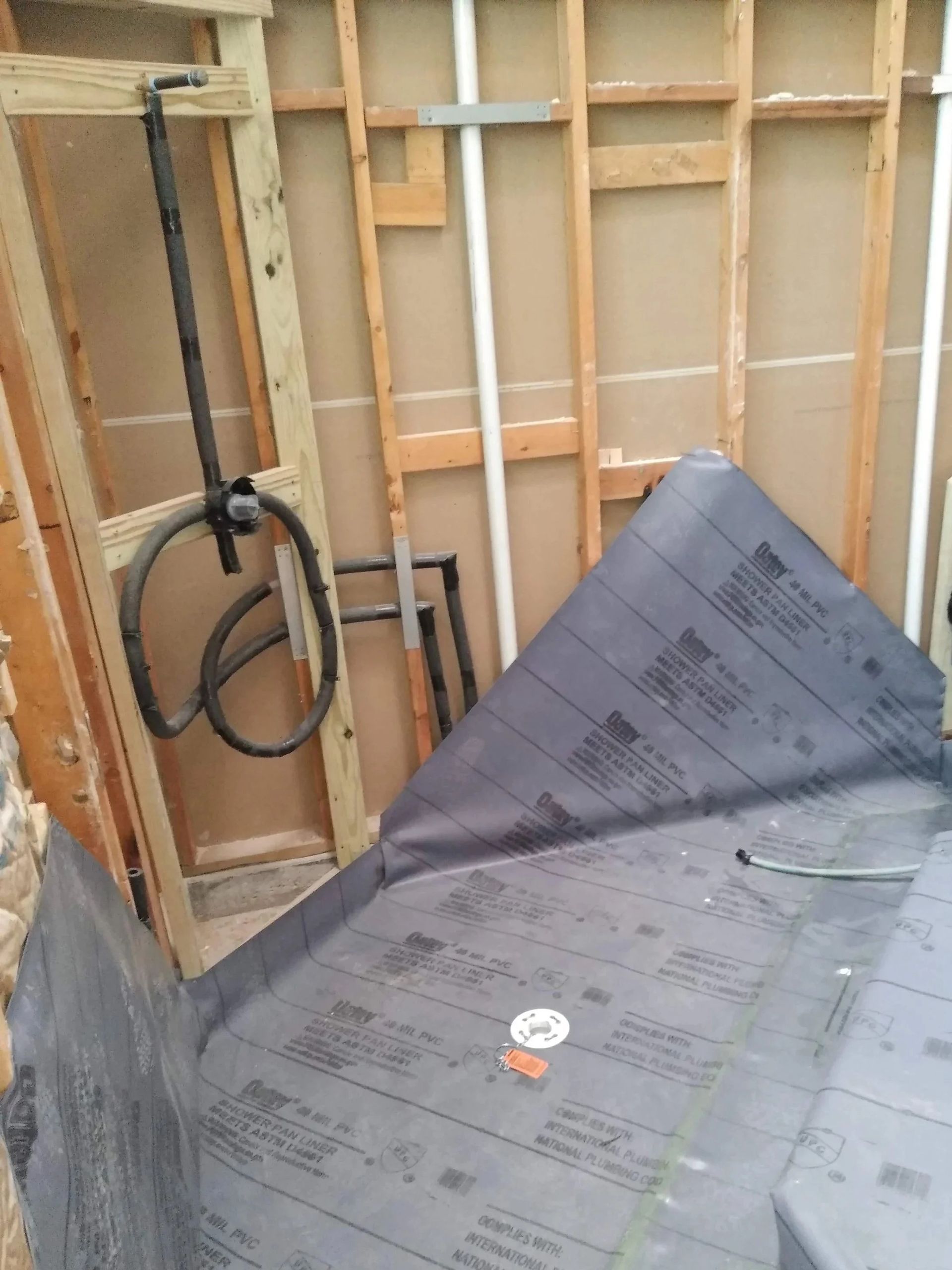
When you are building a new home in Ferris, the plumbing system goes in before you ever see walls or flooring, and mistakes made during rough-in are expensive to fix later. Slab foundations common in this area require careful planning because once concrete is poured, access to underground lines is limited. You need a plumber who coordinates with your builder, follows local codes, and installs systems designed to handle the water quality and soil movement typical in North Texas. B&M Elite Plumbing LLC provides full plumbing installation for new residential construction, from rough-in through final trim and system testing.
New construction plumbing is completed in phases that align with the building schedule. Rough-in involves installing water supply lines, drain and vent piping, and any below-slab work before the foundation is poured or framing is closed. Trim-out happens after drywall is finished and includes setting fixtures like sinks, toilets, faucets, and water heaters. Final setup includes pressure testing, code inspections, and confirming that every fixture operates correctly. Quality materials are used throughout to support long-term reliability, and all work is performed to meet local building requirements and pass inspections without delays.
If you are planning a custom home or residential development in Ferris, contact B&M Elite Plumbing LLC to discuss plumbing installation and project coordination.
What Goes Into a Complete New Build System
A technician works with your builder to map out fixture locations, supply routes, and drain placements based on your floor plan and local site conditions in Ferris. PEX or copper supply lines are run through walls and under slabs, while PVC or ABS drainpipes are sloped correctly to ensure waste flows without backing up. Vent pipes are installed to prevent sewer gas buildup and maintain proper drainage pressure throughout the system.
After trim-out is finished, you will see clean fixture installations with no leaks, consistent water pressure at every tap, and drains that clear quickly without gurgling or slow flow. Water heaters are connected and tested, shutoff valves are installed at key points for future maintenance, and all visible plumbing matches the finish level of the home. The system is pressure-tested before walls are closed and again after fixtures are set to catch any issues before you move in.
This service does not cover landscaping, irrigation, or septic systems, but it does include all interior plumbing and connections to municipal water and sewer lines. Systems are designed to accommodate slab foundations and local conditions such as hard water and shifting soil that can stress poorly installed piping over time.
Common Questions Before Construction Begins
Homeowners building in Ferris often want to understand timing, material choices, and how plumbing coordinates with other trades during the construction process.
New construction plumbing sets the foundation for how your home performs for decades, and cutting corners during installation leads to leaks, pressure problems, and expensive repairs down the road. B&M Elite Plumbing LLC works closely with builders and homeowners in Ferris to deliver code-compliant, reliable plumbing systems that support your home from the ground up.